
With the kids getting older and Carol not earning, I had to find a better-paying job. I fell into the extermination business for about seven years. I don’t know why I stayed in it so long; I hated it. But then, I’m just starting to ask why I stayed in the marriage so long too; maybe I get paralyzed by my own discontent.
I hated the extermination business for two reasons: the customers and the rats. People generally only called us when their home remedies had failed to take care of the problem; by then they were beyond obnoxious. Ants were easy; I didn’t mind getting a call to take care of a formicarian infestation because I could spray the property perimeter and make the customer happy for at least a year. But rats? Rats! If they die in the walls (which is where they tend to go if poison works), they smell bad enough that the wall has to be opened up to remove the corpse. But most of the time we can’t kill them. Not in Berkeley.
Rats are smart to begin with. But there’s a big old university here with a big old psych department. Most of the experiments have been done on rats. Over time the animals have been born smarter and more resistant to toxins. They escape and mate with the locals. The resultant offspring are poison-resistant, tough, and clever. They take bait without springing traps. They go through steel-wool attic barriers so fast and well that they must use the metal to floss their rodent teeth. They fight back if cornered. Rats drove me out of that business.
But I wasn’t stupid about it. The job paid pretty well, and I didn’t leave it until I had something else. The last couple of years I went to school nights and some Saturdays, and I became an oral hygienist.
I got interested after my mother had all of her teeth pulled. Mom has diabetes, and her blood sugar ran very high back then. When her periodontal disease was discovered it was severe and advanced. Only by removing her teeth were they able get rid of the infection. Of course now we know that the high blood sugar caused the infection at least as much as the infection caused the rise in sugar. Now we know that Mom’s three-pack-a-day habit and the stress of her relationship with Dad contributed hugely to her gum disease.
I’m my mother’s child. Even though I get the best of care and pay daily attention to my gums, I can see the age in my own mouth. I look okay on the outside. Younger than my 53 years. But the inside of my mouth looks like 80.
So I studied, and then I made the career change. Meanwhile Carol stayed home. She went to whatever group she attended. She got into making friendship bracelets out of silk embroidery thread but she never sold enough to pay for her supplies. Between my exterminator job and school, and then the extra work as a hygienist that I did to try to boot me up, with all of that I didn’t have much time to pay attention to Carol. Even our infrequent sex life stopped. I was too busy to figure out if I missed it.
The kids are out on their own now. Twenty-eight and twenty-five. I make good money. I scrape. I pick. I poke with odd little brushes. I floss with Glide or with toothpaste-coated white baby yarn. Carol still fools around with crafts.
I have to admit it: I just don’t respect her or her activities any more. I’m tired of hiding my contempt. I know I made a commitment, and I’m sure if I stuck it out it would get better. But lately I’m tempted to fantasize about her death.
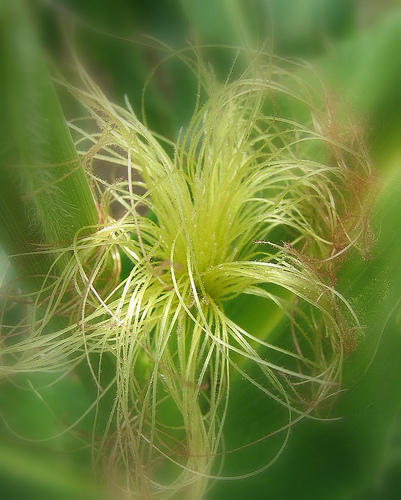
She’s at the sink now, pulling cornsilk off cobs before she boils them. She has no idea. She hasn’t asked and I haven’t told her how minutely I’m examining my life.
Scraping off the plaque. Flossing out the rotting matter. I guess I’ll talk to Carol. We can afford to live apart.


 Sputterpub's Blog