
Lilah liked being an only child, until she was three. She would have continued liking it, but her brother Jamie’s birth changed everything.
“A woman gets two great loves in her life,” her mother told her a decade later. “Her husband and her first-born son.” Lilah’s mother learned that from her own mom, but she only passed the wisdom on to Lilah because she found it to be true.
It wasn’t that she hadn’t loved Lilah. But she’d been the youngest of her family and she never babysat. Her own mother died during the pregnancy. The simple fact was that Lilah’s mother didn’t know what to do with her baby daughter.
At first they had a nurse around. For three weeks there was a rigid old woman in the apartment, insisting that Lilah be fed on a schedule, issuing instructions about formula preparation and bottle sterilization, plopping the baby into maternal arms by the clock and then snatching her back for burping or changing or bathing or sleeping, as the program dictated.
After the nurse left, Lilah’s mother tried to maintain the schedule. But she didn’t feel confident. About the only times she really enjoyed her baby were when she dressed her in one of the elaborate feminine outfits the rest of the family had presented to mark the birth. The baby wore at least three ensembles each day.
Lilah’s father was amazed and besotted by her, but he worked five or six days a week. He cuddled his infant daughter whenever he had a chance, he took the nighttime feedings upon himself, and he would even have changed her diaper, but daddies didn’t do that then.
It was so different when Jamie came along. By then the young family was out of the apartment and into their first house. Lilah’s mother was confident. She didn’t dump the baby into her husband’s arms as soon as he came home.
But it was more than that. Lilah’s mother’s heart melted when the doctor put Jamie in her arms. Love bloomed in her chest, flooded her torso like it never did with Lilah. Jamie was smaller, weaker, needier. And then there were his feet.
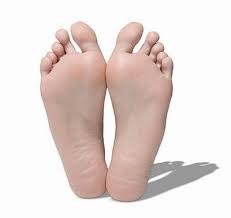
The doctors said Jamie needed orthopedic correction. His soft feet twisted slightly inward, and the experts said the pronation would not mend itself. They plastered him from his toes almost to his knees, weighted him like for a gangland drowning, and sent mother and boy home with extra care instructions.
Lilah’s mom would have hovered anyway, what with Jamie’s relatively low birth weight and tendency to bluish lips, but those white casts pulled her like anchors on a chain. Lilah loved her little brother but she wearied of being shooed away from the bassinet. She longed to be lifted again, but her mother seemed to have arms only for Jamie. It got to where she hated to be told she was a big girl. That may be why she started shitting in her closet. Her parents responded, on medical advice, by giving her an enema and then placing her on the potty to show her where it was done. It was a traumatic event for all three of them, so her parents never repeated the lesson but Lilah remembered the experience as multiple and bad.
In time their situation improved. Jamie’s casts came off and Lilah resumed the desired toileting. Jamie’s feet didn’t give him much trouble when he began walking, except he never had a sufficient arch and he always pronated a bit, and they didn’t bother Lilah again until he was three.


 Sputterpub's Blog