
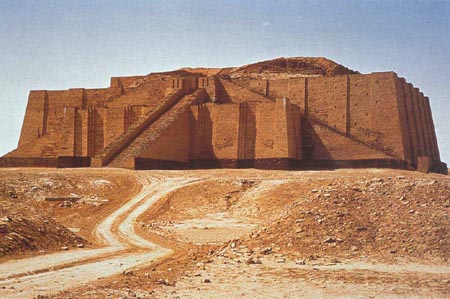
Mesopotamia, the land “between the rivers,” invented writing. They didn’t do it for religious or artistic purposes, or even to improve communication. They were record-keepers. They established writing so they could maintain commercial information. They shaped the wheel so they could get their goods to market. They developed the first code of law (Ur-Nammu headed up that project, three centuries before Hammurabi), and it was all about protecting contracts and personal property.
They were busy. They created business.
They were also healthy. Contrary to ideas four thousand years later, Sumerians tended to live long and rather comfortable lives. There were few plagues and no colds. VD, tuberculosis, polio, malaria, and AIDS were unknown. But infections were dangerous. Childbirth was the biggest killer of women. Battle was the number one cause of death among men. Absent those conditions, a person could expect to live eighty years.
Meshie and Yaya knew their paternal great grandparents and all four parents of their parents. Their father’s big family lived close by, near the center of Larsa, but their mother’s was still in Ur. Meshie and Yaya and their folks occupied a cluster of buildings on the outskirts of town, near the fields where the sheep grazed and where Yaya and her mother could experiment with fiber crops. They only saw their mother’s family once every year or so. They spent more time than Yaya wished with her father’s brothers and nephews. Of a dozen cousins there was only one other female and she was a baby; Yaya at twelve learned to be watchful, because she attracted far too much attention from her male relatives.
She once overheard her male cousins conspiring to catch her in her bath. She stayed closer to the women after that, although she found her aunts demanding and dull. She was safer with the females.
She avoided even her own father and brother. Not that they would touch her sexually, but they teased her and commented on her and sought to embarrass her. In her opinion they were too aware of her, and she tried to stay out of their way.
The men in her family had impulsive tempers. The women gave them what distance they could. While her father and Meshie worked with the sheep, Yaya and her mother tended their experimental garden. In addition to dependable flax plants they were trying to grow the fibrous perennial that would be known as hemp. They had visions of hangers made of the twiny string, open weavings like hammocks and cradles. They’d traded a month’s worth of fine wool for a ladle of the tiny seeds and then lost half of them to birds before they learned how to shield them. Their first season of plants was scrawny, but they’d let the hardiest females go to seed and with each year after they’d had a lusher, tougher crop. They harvested in the autumn, plied the fibers and spun them like yarn and braided and wove them all winter while they burned the chaff in braziers in their workroom, and together produced shaped-rope containers that were getting some notice in the market.
(the rest tomorrow)


 Sputterpub's Blog