September 10, 2012 2:21 pm
They remembered the winter of 2002 as the season of Polartec. It started with the 4×6 throws (in varying colors) available from Lands’End for $39 each, and ended with robes of the same material and hues. In between there were occasions of Primaloft and good old down and even a bit of knitting (although the yarn was nylon Tactel microfiber which never came near a sheep). Coziness was a recurring theme.
The weather drove some of the impulses. It was wintry early that year, with rainfall at 180% of normal by New Year’s Day and temperatures chilly enough to redden noses and water eyes. But the twin insecurities of economic recession and the war on terrorism also created a lust for safety and soft comfort. Home and the hearth.
They weren’t knitting to help the war effort or even to save money on clothes. The exercise was therapeutic and meditative. The mind stretched while the hands moved. The knit chevrons took shape, rhythmically, from the dance of yarn around long needles, and the brain loving those patterns sought others. Drifted into dreams of ancient textiles.
They called her Yaya. Her full name is transliterated “Erishti-Aya,” which the family shortened to “E-Aya” and the human mouth, then and now, transformed to “Yaya.”
She was at the bottom of the family; her parents only had two children, but the other was older and male. His name was Meshiaggasher, and he was a bully.
They were an attractive household. Meshie and Yaya were well-formed, olive-skinned, chocolate-haired. She was petite like her mother and large-eyed like her father. He was big, strong, and handsome.
From the perspective of a meditating knitter, Yaya was born in 2002 B.C.E. But her culture had their own ways of measuring time: she began her life in the second year of the Elamites, or in the twentieth season after the Amorites first attacked her city-state, or during the forty-third winter of intermittent war between Larsa and Isin.
Her family could trace itself back, maternally, to the enlightened age. They flourished during the reign of Ur-Nammu, in Ur itself, then the center of art and trade. They were weavers and they were innovative. But they mostly had ideas instead of offspring. They never produced enough children to establish a textile dynasty. Yaya and Meshie were the only bearers left of that line, and they were expected to meld like their mother did into their father’s customary ways.
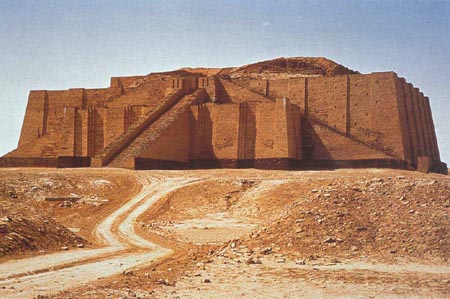
Larsa was one of the prettiest city-states in Sumer. Nestled in the angle where the Euphrates meets the Tigris, overlooking the long delta but just high enough to withstand the floods, it was a metropolis of 20,000, with regular streets and attractive mud-brick houses, surrounded by fields of cultivated grains and hemmed by grazing pastures. The climate was mild. The agriculture was easy, provided they managed the silt. But the skirmishes and battles with Isin and sometimes Uruk and Lagash left its marks: gouged garden terraces; lacerated canals. Temporary military encampments crystalized and were immediately outlined by purveyors and prostitutes, scoring the crooked circumferences of the world’s first slums.
(more on Wednesday)
Posted by sputterpub
Categories: Fiction
Tags:
Mobile Site | Full Site
Get a free blog at WordPress.com Theme: WordPress Mobile Edition by Alex King.