

Danny and Andy and I happened to discuss the word “canvas” over lunch a month ago. Danny did a quick phone-peek and announced that the word was derived from “cannabis.” So of course it went onto the list of language to investigate.
It’s true. The material started out as the Greek kannabis (κάνναβις), which led to the Vulgar Latin cannapaceus (made of hemp), and that gave rise to the Old French canevas and the Anglo-French canevaz and our canvas.
Hemp was one of the big three vegetable fibers (in addition to cotton and flax). Canvas was originally made of hemp but linen works well and most modern canvas is cotton.
If I understand weaving terms correctly, canvas is always a plain weave (one over and one under). The other methods seem to be twill (2 over/2 under, or 3 over/1 under, or some such) and satin (4 or more over).
As we know, canvas is the stuff that tents are made of, and packs, and on which art and crafts are produced. When it’s tightly woven it can be called duck (Dutch doek means cloth). Sometimes now the word refers to the raw outline or basics on which a libretto or speech will be based.
It appears that cannapaceus or cannabacius (hempen cloth) led to the Old French word cannabasser (to beat out, shake, examine) which in turn grew into the two-s “canvass.” Canvass means to examine carefully or to go about soliciting votes or orders or opinions. So when a researcher gathers opinions about marijuana, he or she is engaged in an interesting form of redundancy.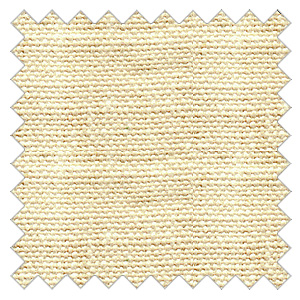


 Sputterpub's Blog