 I propose we do some evaluating in terms of the Value of a Statistical Mile Traveled (VSMT). The VSMT is a measurement of the consumption in resources, labor and material of any mile traversed. Often time is factored in as well, casting study results in terms of VSMTH (Value of a Statistical Mile Traveled per Hour) and thereby leveling the playing field between, for example, planes and trains. But for the simple purpose of comparing walking or mass transit to driving, VSMT alone will suffice.
The VSMT of walking is just about zero. No special equipment is required and the pedestrian doesn’t consume while walking. Except for the purchase of a bottle of water or some other small item, the walker’s contribution to the surrounding economy is nil. He does use the sidewalks, streets and, with increasing frequency, local emergency services, all without paying taxes for those benefits.
The bus- or metro-rider contributes a bit more than the pedestrian, sharing as he does in the consumption of some fuel and requiring the maintenance of a squadron of system employees. But economies of scale work against the establishment of an impressive VSMT for buses and subways; only the lines that serve the most outlying suburbs rank high enough, and that population is simply too small to compare with the huge class that consists of drivers.
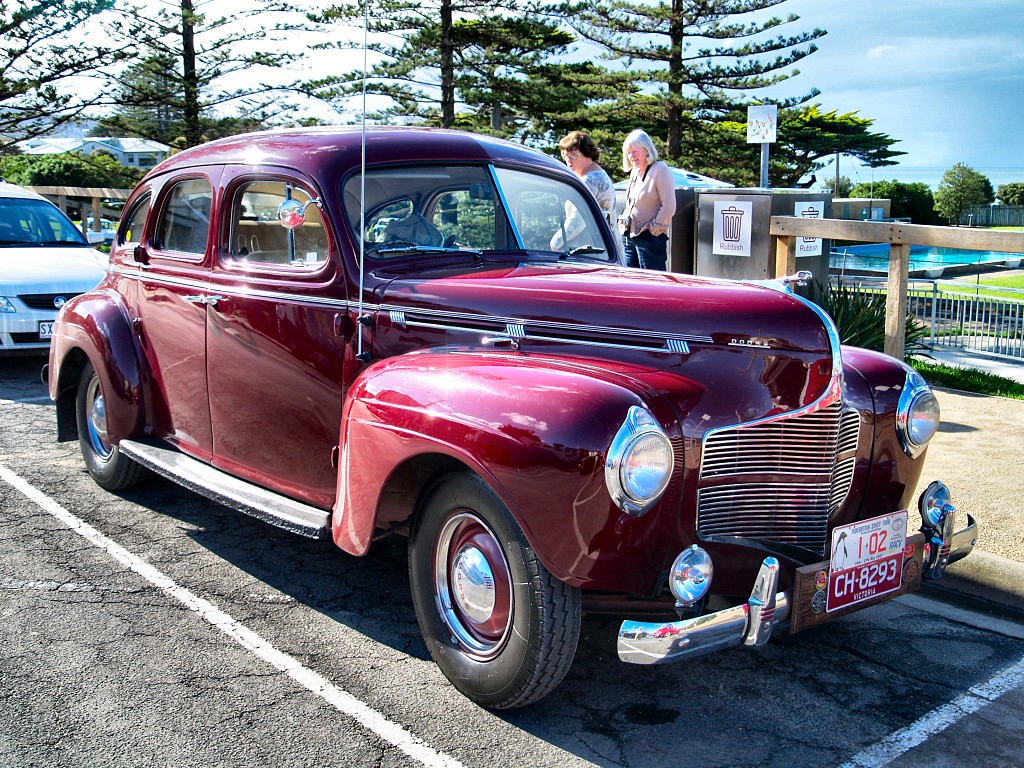
By contrast, consider the VSMT of a car. Not only will it use (and pay for) the roads and road services, but its fabrication employs miners and autoworkers, its sales makes livelihoods for distribution and retail employees, and its operation puts people to work in refineries, pipelines, service stations, hazmat teams, EPA sections, detailers and body shops, theft and theft prevention, resale, and law enforcement. And that just names some.
It’s rather obvious what manner of transportation is contributing the most to our lives.
We have a tradition which requires that the power vehicle grant the right-of-way to the one which doesn’t use fuel. That makes sense in a sky with gliders or a sea with sailboats, but it doesn’t translate to the folks on the sidewalk. One of the most dangerous residential situations is when the driver is trying to turn right on a red light, looking of course to the left for oncoming car traffic, while on the curb is a pedestrian, about to cross with the light in front of the car. It’s perilous for the pedestrian to cross, because the driver may choose that moment to execute the right turn and hit the pedestrian. But it’s a bad idea for the driver to be too attentive to what’s happening on his right, when the vehicle that may damage his will be coming from the left.
Under the circumstances, the only rule that makes sense is to suspend the pedestrian’s sacred right-of-way. The idea is to let the traffic flow – the folks in that car and the cars around it – and there’s no injustice in having one relatively slow-moving individual pause in his steps, to let the many pass.


 Sputterpub's Blog